

Ongwe Minerals Intersects High Grade Gold at Belmont Prospect, Khorixas, Namibia
Highlights:
-
Multiple high-grade gold zones intersected at the BK2 Target within the broader Belmont Prospect at Khorixas.
- A 3,500 m follow-up drilling plan has been outlined to test multiple targets across the Belmont Prospect, including BK1, BK2, BK8 and Plains.
- K17 geophysical program set to commence, advancing the district scale intrusion-related copper-gold target toward drill-ready status.
-
Best RC drill hole intersections at the BK2 Target:
-
BKR010
- 3m @ 9.21 g/t Au from 17m, and
-
5m @ 0.90 g/t Au from 39m, and
- 3m @ 6.45 g/t Au from 70m
-
BKR019
- 1m @ 4.70 g/t Au from 53m, and
- 5m @ 1.11 g/t Au from 63m, and
- 7m @ 3.23 g/t Au from 78m
-
BKR010
VANCOUVER, British Columbia, Sept. 17, 2026 (GLOBE NEWSWIRE) -- Ongwe Minerals Inc. (TSXV: OGW) (NSX:ONG) (“Ongwe” or “the Company”) is pleased to announce that it has intersected multiple high-grade gold zones at it BK2 Target within the Belmont Prospect at its Khorixas Gold Project, Namibia.
The Belmont Prospect, part of the Khorixas Gold Project, is a large-scale, 12 × 6 km greenfields surface gold discovery made by Ongwe. It comprises 19 individual gold anomalies, including BK2, defined through soil, calcrete, rock-chip and bedrock sampling. Most of the prospect is covered by up to 15 m of calcrete, adding complexity to the exploration program. Recent drilling, including the results reported in this press release, indicates that Belmont has the potential to host multiple high-grade deposits within its existing gold footprint. The mineralization style is comparable to that of Osino Resources’ Eureka gold discovery, located 50 km east of Belmont.
Dave Underwood, Ongwe’s CEO commented: “The recent RC scout drilling at the Belmont BK2 target has confirmed that there is high-grade gold associated with complex folding and a late-stage influx of sulphides including pyrrhotite, pyrite and arsenopyrite. The initial intersections at BK2 are narrow, but the grades are very encouraging including 7m @ 3.23g/t in hole BKR019 and 3m @ 9.61g/t and 3m @ 6.45g/t in hole BKR010.
This mineralization looks similar to Osino’s high-grade Eureka deposit 50km to the east which consists of a series of sulphide dominated plunging shoots controlled by complex folding. The Belmont mineralization footprint is substantially bigger than Eureka and we believe there could be multiple Eureka style deposits hiding beneath the calcrete cover. Given the structural complexity of these types of deposits, the next phase of drilling will be with a diamond rig so that we can start understanding the structural and lithological controls of the mineralization. The BK8 target is also a very compelling undrilled target with a wide surface gold footprint over 1.5km in length and soil samples as high as 1.49 g/t Au.
These encouraging results further strengthen our belief that our licence portfolio contains multiple prospective targets, each with the potential to host commercial deposits.”
Underwood continued: “We are also ramping up activity at the K17 prospect with two phases of geophysics designed to produce copper-gold intrusion related drill targets for testing in the second quarter of 2027. The Phase 1 deep looking MT and gravity program kicks off in October and should take about two months to complete.”
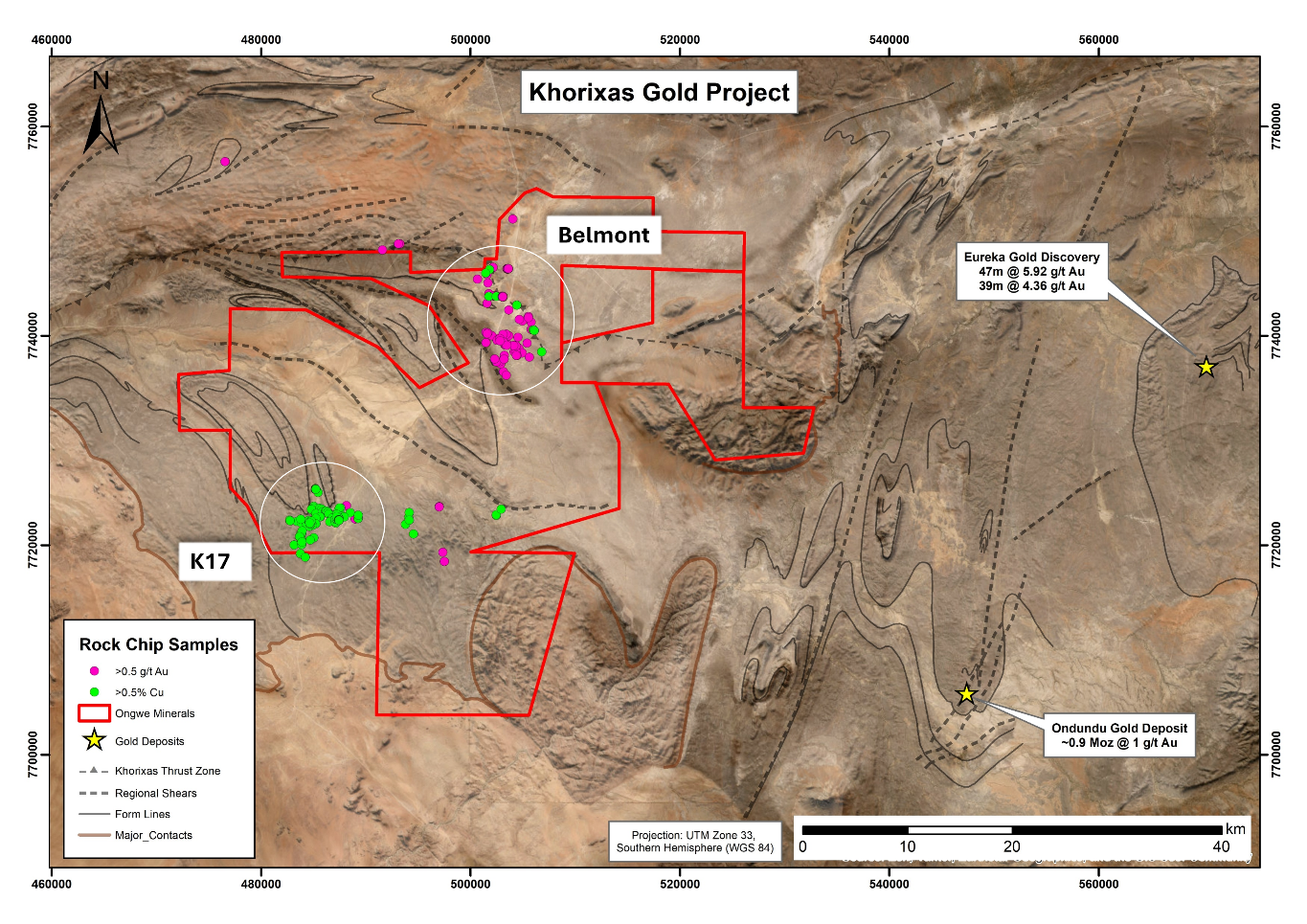
Figure 1: Map showing the outline of the Khorixas Gold Project along with the location of the Belmont and K17 Prospects. Map also shows the location of the Eureka Gold Deposit (Osino, released 9 August 2023) and the Ondundu Gold Deposit (Osino, released on 27 October 2022, 26 Mt at 1,13 g/t Au inferred)
Belmont Prospect
Earlier this year, the Company commenced a reverse circulation (RC) bedrock sampling program to test in situ mineralization beneath gold anomalies defined by surface calcrete sampling. The program led to the discovery of the Plains Anomaly, a 2 km-long in situ gold anomaly located along the KGT basin-margin fault zone - see Figure 2. The bedrock sampling program was subsequently extended to several other targets within the Belmont Prospect. However, it quickly became evident that the style of mineralization on or near the KGT basin-margin fault differed from that associated with splay structures away from the main fault.
Mineralization along the main KGT basin-margin fault appears to be associated with disseminated sulphides within broader alteration zones. By contrast, mineralization within splay structures away from the main fault appears to be associated with high-grade, brecciated quartz veins containing semi-massive pyrrhotite, pyrite and arsenopyrite. This interpretation led to a redesign of the bedrock sampling campaign to include shallow RC fence lines across three splay targets: BK2, BK7 and BK13 - see Figure 2.
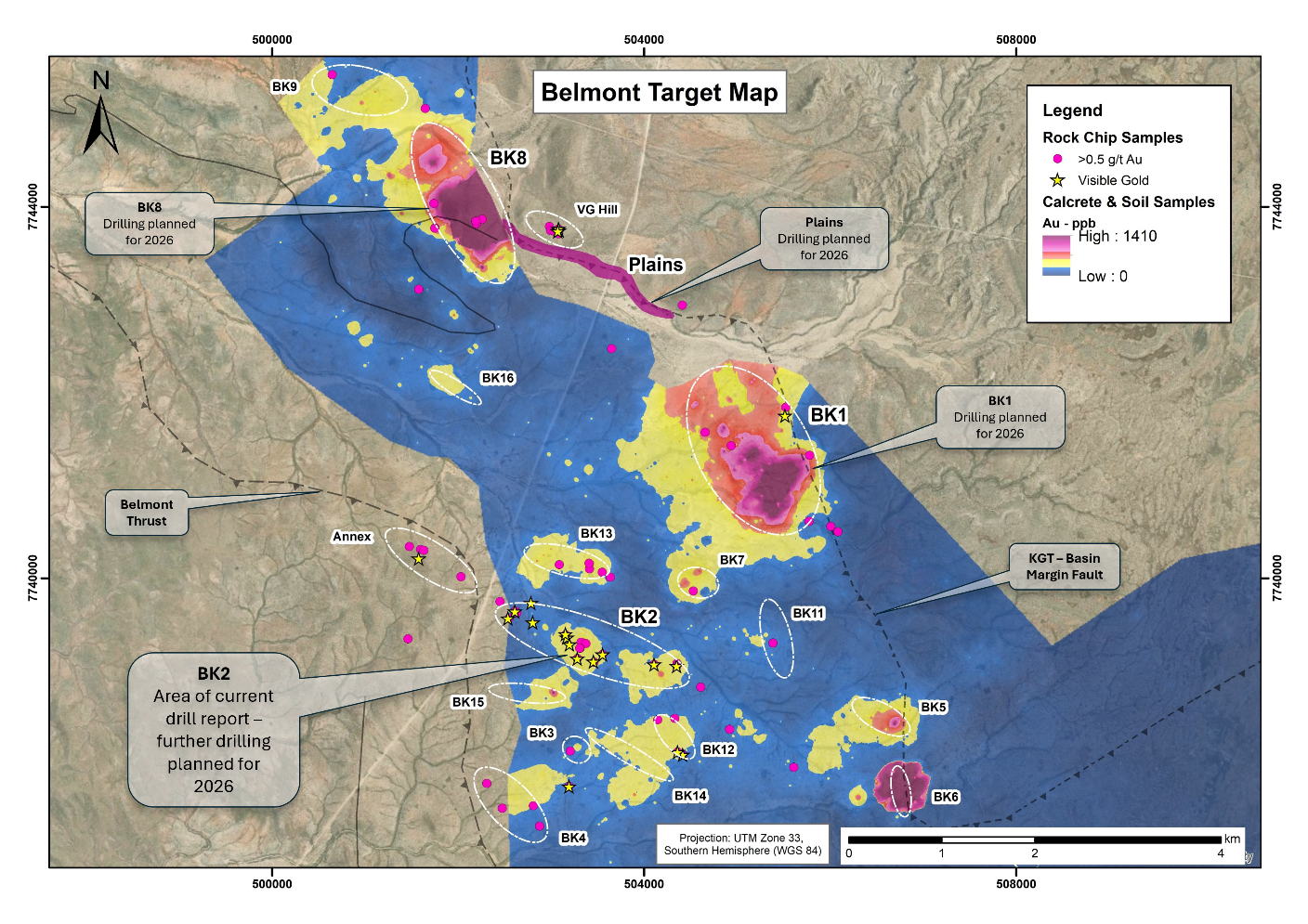
Figure 2: Heat map of gold-in-soil and gold-in-calcrete across the Belmont Prospect. The map also shows the layout of the various Targets within the Belmont Prospect, highlighting the targets earmarked for drilling in 2026.
BK2 Drilling
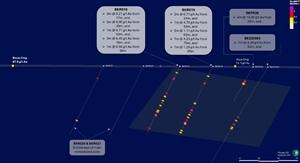
A total of 20 RC holes, comprising 1,979 m, were drilled across the BK2, BK7 and BK13 targets. The holes were drilled at an inclination of 60 degrees and had an average inclined depth of 100 m. Of the 20 holes drilled, only two, BKR010 and BKR019, intersected significant gold mineralization - see Figure 4. These results, together with limited diamond drilling (DD) at the Belmont Prospect, indicate that the gold systems are structurally controlled and underscore the importance of understanding these controls to trace the mineralized zones.
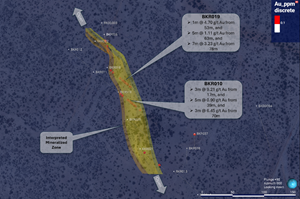
Hole BKR010 was drilled approximately 120 m south-southeast of the previously drilled holes BKP036 and BKDD003 - see Figure 3. Given the extensive calcrete cover in the immediate vicinity and the absence of structural data, the strike of the mineralization intersected by the earlier drilling was unclear. BKR010 therefore formed part of a fence line designed to test the strike of the mineralization. The hole intersected a sequence of chlorite schists and arkosic sandstones. Mineralization occurred in several quartz-sulphide zones containing pyrrhotite, pyrite and arsenopyrite, concentrated along contacts between the more competent arkosic sandstone and the less competent schist.
Hole BKR019 was drilled between the previously drilled holes and BKR010 - see Figure 3. The hole was designed to test the continuity of mineralization between BKP036 and BKDD003 to the north and BKR010 to the south. As in the other holes, mineralization occurred in several quartz-sulphide zones containing pyrrhotite, pyrite and arsenopyrite, concentrated along contacts between the more competent arkosic sandstone and the less competent schist. BKR019 confirmed that the mineralization strikes north-northwest and is controlled, at least in part, by bedding and likely folding.
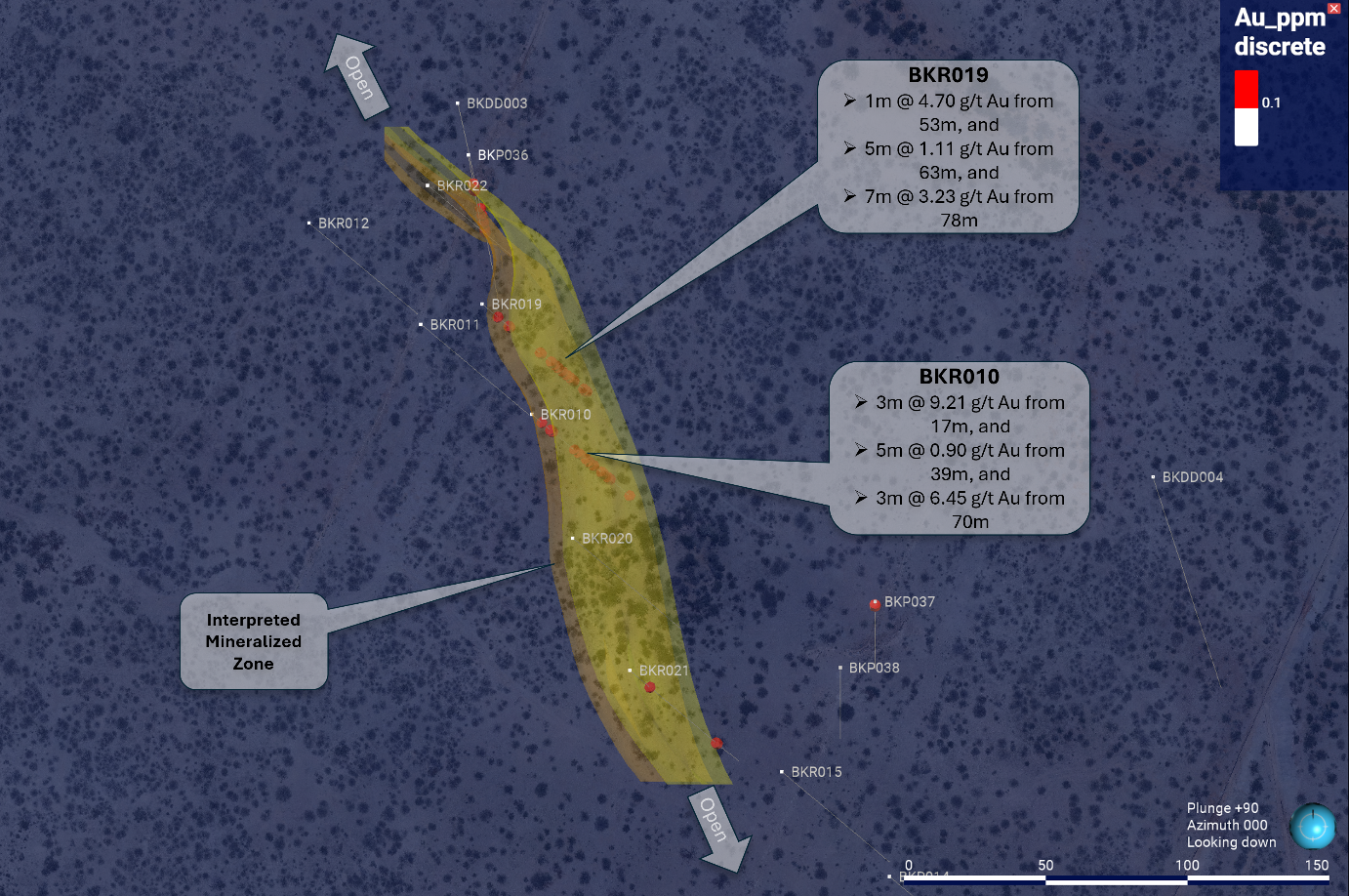
Figure 3: Plan view showing the reported drill holes, BKR010 and BKR019 within the BK2 Target. The interpreted mineralized zone is highlighted in yellow. Reported drill intervals has a lower cut-off grade of 0.3 g/t Au and contain no more than 3m of internal waste.
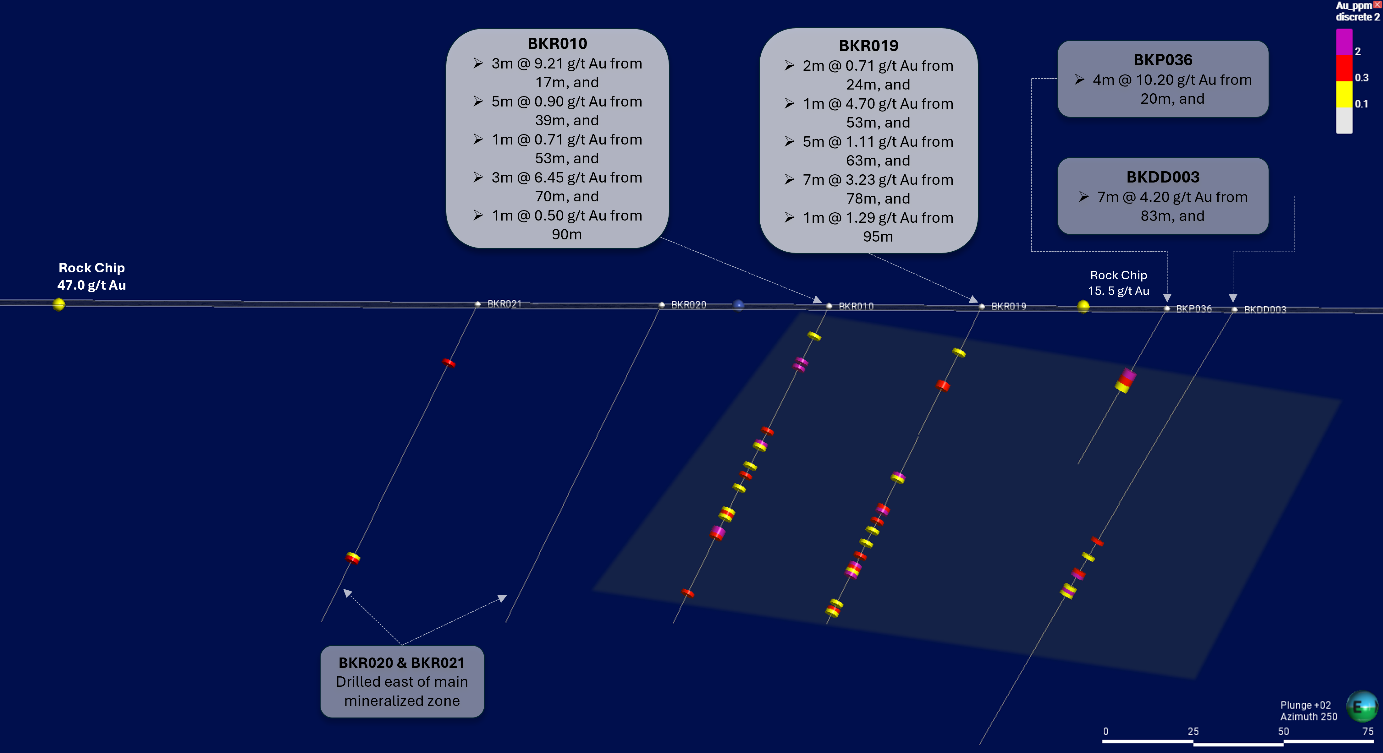
Figure 4: Long section through the mineralized zone showing the down hole results of the reported holes, BKR010 and BKR019. The figure also shows the previously reported results of holes BKP036 (percussion) and BKDD003 (diamond).
Belmont Exploration Strategy
Recent drilling has demonstrated the potential of the Belmont gold system. The Company believes the Belmont Prospect has the potential to host multiple high-grade orebodies comparable to Osino Resources’ Eureka gold deposit located 50km to the east. The Company has finalized its exploration strategy for the remainder of 2026, comprising 2,000 m of RC drilling and 1,500 m of DD drilling. Drilling will focus on the following targets:
- BK1 – testing the down-dip extension of the previously reported percussion-drilling intersection of 50 m at 0.1 g/t Au.
- BK2 – testing the northern and southern extensions and potential parallel zones.
- BK8 – initial drill testing of the 1.5 km-long, high-grade soil anomaly, with values of up to 1.49 g/t Au.
-
Plains – initial drill testing of the 2 km-long bedrock anomaly.
K17 Prospect
The Company has integrated independent reviews from GeoAqua Consultants Limited and Geokincern Pty Ltd to refine the genetic and structural models for the K17 copper-gold prospect at the Khorixas Project.
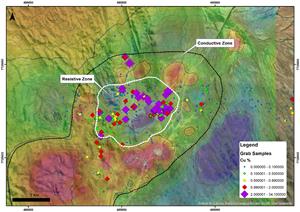
Geochemical analysis outlines a broad, 8-by-7-kilometer mineralized footprint. This area is characterized by a core copper-gold-zinc-calcium-manganese anomaly, framed by distal halos of arsenic, bismuth, lead, and molybdenum. This distinct signature, combined with the presence of granodiorite xenoliths, strongly suggests that a hidden intermediate-to-felsic intrusion is driving the hydrothermal system. Country wide gravity data along with broad spaced regional MT data collected in 2024 supports this model: immediately southwest of the prospect, a sub-circular gravity high and associated magnetic gradients are hypothesized to represent the buried intrusive body or a skarn-style alteration complex. Adding further weight to this target, higher-grade surface copper and gold samples cluster directly around the margins of a prominent resistive core – see Figure 6.
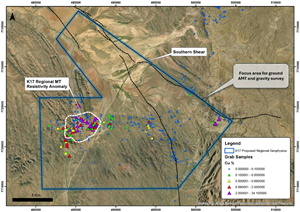
To prioritize drill targets across the K17 system, the Company will execute a two-phased geophysical program. In October and November 2026, the Company plans to conduct a mineral system scale AMT and ground gravity survey at 1-kilometer station spacing to define the deeper sources of the MT and gravity anomalies visible in regional data – see Figure 5. This work will be followed up by a detailed Induced Polarization (IP) program in the first quarter of 2027, aimed at targeting blind, disseminated sulfide zones similar to the surface exposures at K17 central. This systematic approach reflects the Company’s view that K17 is the primary window into an expansive, district-scale mineral system capable of hosting multiple deposit-scale targets.
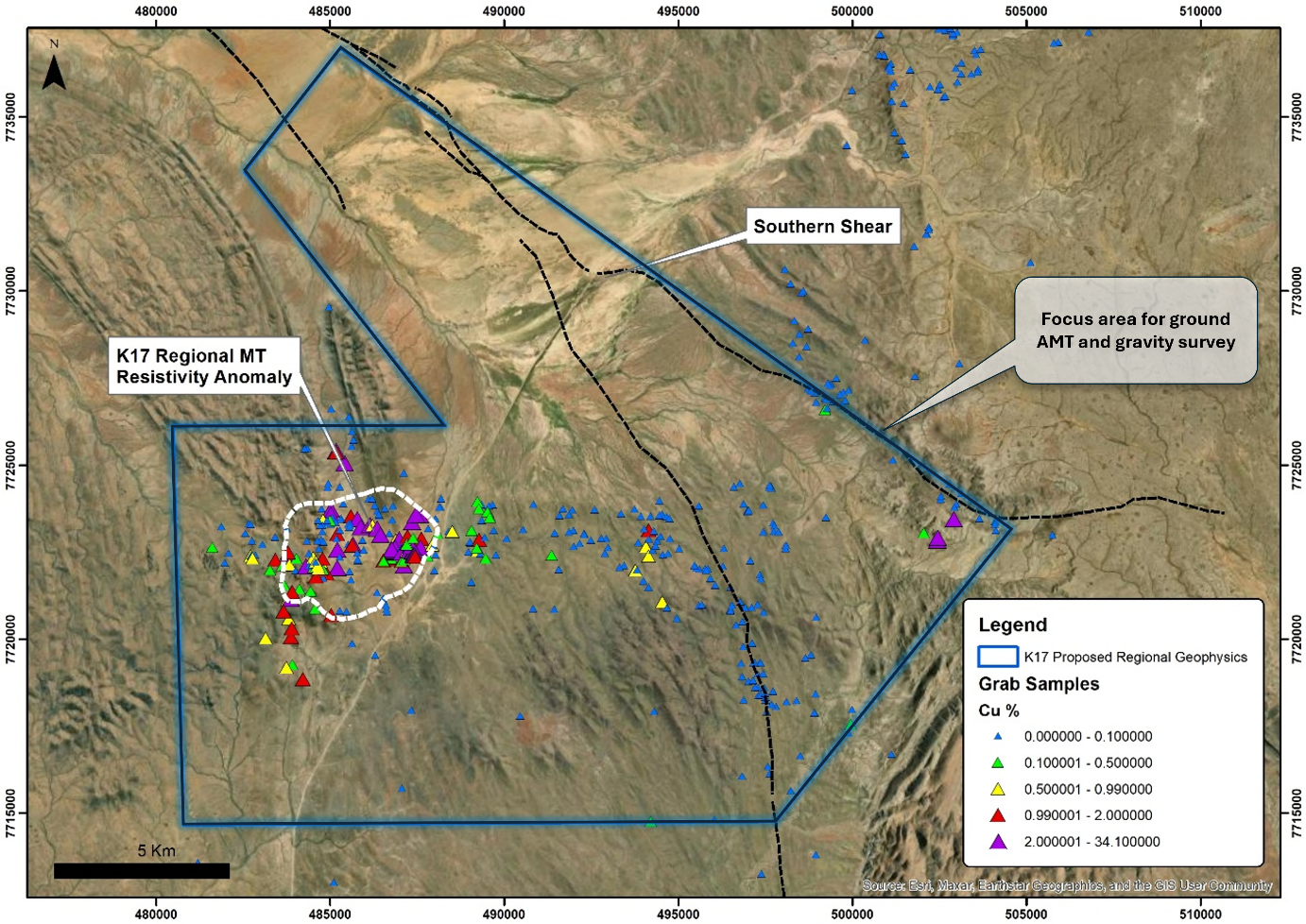
Figure 5: Map showing the proposed mineral system scale AMT and Gravity survey area (blue polygon), with the K17 Central resistivity anomaly and major structures highlighted.
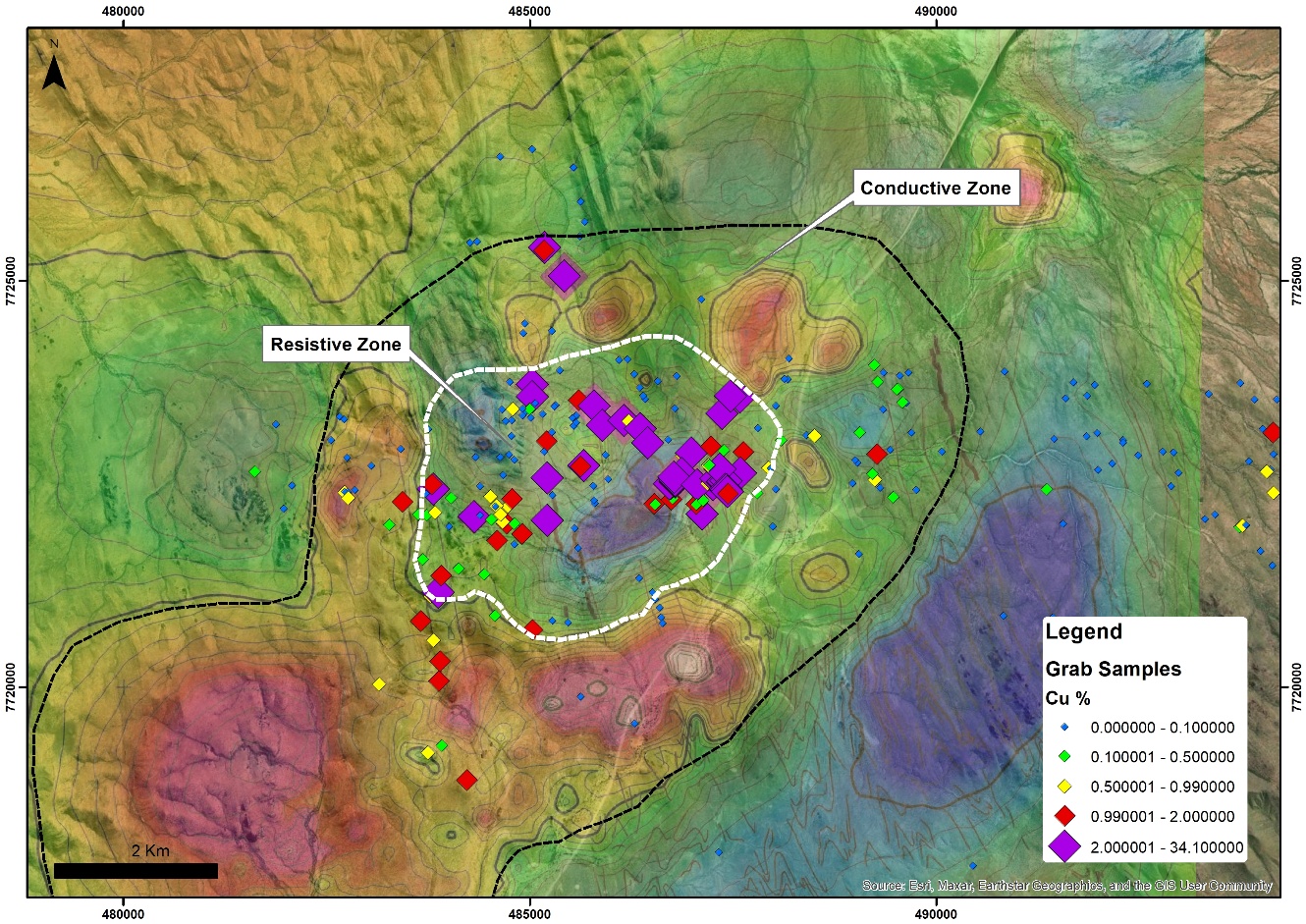
Figure 6: Conductivity map from the 2024 regional MT survey showing the K17 Central resistivity anomaly in relation to high-grade grab samples – highlighting the link between surface geochemistry and subsurface geophysical anomalies.
Assay Method
The Company utilized the detectORE™ analytical technique, designed to enable the measurement of trace gold concentrations in geological samples using a portable X-Ray Fluorescence (pXRF) instrument. This process overcomes the traditional limitations of gold analysis by pXRF including low gold concentrations and metal peak interference. The method involves leaching 250g of sieved material in a sealed pouch with 500ml of GLIX-20™ lixiviant and a Collector Device (CD). Following a 16-hour tumble in a Maxi Mixer barrel to dissolve the gold, the CD is removed, rinsed, and analyzed for 150 seconds using detectORE™ mode firmware. This partial analysis technique is managed through pLIMS™ software with strict QAQC protocols to identify relative gold anomalism. The detectORE™ gold technique is designed for rapid on-site assessment and is not used for the formal quantification of gold content or the estimation of Mineral Resources. An extensive orientation program was carried out before putting the detectORE™ methodology into production by comparing soil, calcrete and rock chip sample assays with Aqua Regia and FireICP. The detectORE™ system performed extremely well and identified the same anomalies as the laboratory techniques in all conditions.
As part of the current exploration program, all RC drill samples undergo an initial in-house analysis using the detectORE™ technique. Any samples returning a value equal to or greater than 20 detectable Units (dU) are prioritized for formal verification via Fire Assay at the MSALAB facility in Omaruru, Namibia, or via Photon Assay at the Gloriosa facility in Otjiwarongo, Namibia. The Fire Assay procedure involves drying and splitting the sample to 1kg, followed by crushing to 2mm. A 250g sub-sample is then pulverized to 85% passing 75 microns, from which a final 50g aliquot is taken for Fire Assay with an Atomic Absorption (AA) finish. For Photon Assay, the prepared sample is split to approximately 500 g and loaded into a barcoded, labelled plastic jar. The sealed sample is irradiated with high-energy X-rays, which excite gold nuclei; as the nuclei return to a stable state, they emit gamma rays at characteristic energies. Detectors measure these emissions and the instrument calculates the gold concentration across the bulk sample. The analysis is non-destructive and is conducted using a four-cycle protocol, providing a stated gold detection limit of 20 ppb.
The reported results for holes BKR010 and BKR019 were obtained using the Photon Assay technique.
QA/QC
All of Ongwe’s sample assay results have been independently monitored through a quality assurance and quality control ("QA/QC") program including the insertion of blind standards, blanks, and field duplicate samples. The Company maintains rigorous monitoring for both in-house and laboratory analyses to ensure data reliability. For the detectORE™ process, which provides rapid on-site assessment of gold anomalism, a Certified Reference Material (CRM) sample is inserted every 15 samples to monitor the performance of the pXRF instrument and the leaching efficiency. For the formal fire assay verification conducted at MSALABS, or Photon Assay conducted at Gloriosa, a CRM is inserted every 30 samples. This MSALABS laboratory procedure involves precise pulverization and a 50g fire assay with an Atomic Absorption (AA) finish to provide formal quantification for prioritized drill samples. At Gloriosa, the sample is systematically split to approximately 500 g, sealed in a barcoded jar and analyzed using a four-cycle Photon Assay protocol. Each cycle irradiates the bulk sample with high-energy X-rays and measures the characteristic gamma-ray emissions generated by activated gold nuclei; the measurements are combined to improve analytical precision.
Data Verification
Carl Joone, BSc. (Hons), the President and Co-Founder of Ongwe Minerals Inc., and a Qualified Person for the purposes of National Instrument 43-101, has verified all the data disclosed, including a review of the sampling procedures, chain of custody, and assay results underlying the disclosure, by plotting and verifying against raw data received. Mr. Joone noted no errors or omissions during the data verification process.
Qualified Person
Carl Joone, BSc. (Hons) is the President and Co-Founder of Ongwe Minerals Inc. and is a registered Professional Natural Scientist with the South African Council for Natural Scientific Professions (Pr. Sci. Nat. No. 172695) and a Qualified Person for the purposes of National Instrument 43-101. Mr. Joone has reviewed and approved the scientific and technical information in this news release.
About Ongwe Minerals Inc.
Ongwe Minerals Inc. is a Canadian listed gold exploration company focused on the discovery and advancement of new gold systems in Namibia. The Ongwe team, previously with Osino Resources (sold to Shanjin International), has a history of making and advancing gold discoveries in Namibia, including Osino’s Twin Hills (currently in construction) and Eureka deposits, and the advancement and sale of Auryx Gold’s Otjikoto gold deposit (in production, sold to B2Gold).
The Company’s current focus is on three promising gold projects in the emerging Northwest Damara gold belt in Namibia, with a focus on the Omatjete and Khorixas Gold Projects.
The Omatjete Gold Project is strategically located along the regional Okondeka Fault Zone, which also hosts the Kokoseb gold deposit (WIA Gold). Early surface work by Ongwe led to the discovery of the Manga Gold Prospect which has a 4.5km x 1km footprint of gold in soil and early scout drilling indicating gold in bedrock. Recent regional sampling in 2026 has led to the discovery of the large scale, high tenor Nguni anomaly 17km east of Manga. Nguni currently has a strike length of 6km and is open to the west, north and east. The Omatjete Project still has significant growth potential and work is ongoing to define further anomalies along the Okondeka Fault system.
The Khorixas Gold Project is situated just 50km west of Osino's Eureka gold project, adjacent to the northern margin of the Damara Orogenic Belt. Khorixas hosts two large-scale surface discoveries called Belmont and K17. The Belmont prospect has a surface gold footprint of approximately 12 × 6km and lies between the regional scale, basin margin, Khorixas Fault and the Belmont Thrust Zone. Calcrete and grab sampling to date have indicated eighteen target areas.
ON BEHALF OF THE BOARD OF DIRECTORS
“Dave Underwood”
Chief Executive Officer
| CONTACT INFORMATION | |
| Ongwe Minerals Inc. | Ongwe Minerals Inc. |
| Dave Underwood, Chief Executive Officer | Carl Joone, President & Co-Founder |
| Email: dave@ongweminerals.com | Email: carl@ongweminerals.com |
Neither the TSX Venture Exchange nor its Regulation Services Provider (as that term is defined in the policies of the TSX Venture Exchange) accepts responsibility for the adequacy or accuracy of this press release.
Cautionary Statements Regarding Forward Looking Information
This press release contains "forward-looking information" within the meaning of applicable Canadian securities legislation. Forward-looking information includes, without limitation, statements regarding the use of proceeds from the Company's future plans or prospects of the Company, including prospects for discovery of mineral resources or the results of future exploration programs. Generally, forward-looking information can be identified by the use of forward-looking terminology such as "plans", "expects" or "does not expect", "is expected", "budget", "scheduled", "estimates", "forecasts", "intends", "anticipates" or "does not anticipate", or "believes", or variations of such words and phrases or state that certain actions, events or results "may", "could", "would", "might" or "will be taken", "occur" or "be achieved". Forward-looking statements are necessarily based upon a number of assumptions that, while considered reasonable by management, are inherently subject to business, market and economic risks, uncertainties and contingencies that may cause actual results, performance or achievements to be materially different from those expressed or implied by forward-looking statements. Although the Company has attempted to identify important factors that could cause actual results to differ materially from those contained in forward-looking information, there may be other factors that cause results not to be as anticipated, estimated or intended. There can be no assurance that such information will prove to be accurate, as actual results and future events could differ materially from those anticipated in such statements. Accordingly, readers should not place undue reliance on forward-looking information. Other factors which could materially affect such forward-looking information are described in the risk factors in the Company's most recent annual management's discussion and analysis which is available on the Company's profile on SEDAR+ at www.sedarplus.ca. The Company does not undertake to update any forward-looking information, except in accordance with applicable securities laws.
Photos accompanying this announcement are available at
https://www.globenewswire.com/NewsRoom/AttachmentNg/9c1c3c43-a63a-4b42-b25d-8900d5dcb36d
https://www.globenewswire.com/NewsRoom/AttachmentNg/4678d4bd-f3c4-4f3f-9d93-5b76b0ed2f79
https://www.globenewswire.com/NewsRoom/AttachmentNg/9863d226-f6bd-4753-8b70-072f40c940a0
https://www.globenewswire.com/NewsRoom/AttachmentNg/17f52c10-4a1b-46ad-9070-3616046f6d22
https://www.globenewswire.com/NewsRoom/AttachmentNg/30f96630-d74f-4607-abba-2467951a4246
https://www.globenewswire.com/NewsRoom/AttachmentNg/41ca7506-e50f-4966-a8d1-538be568a286


Figure 1
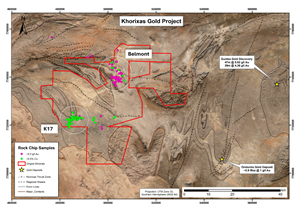
Map showing the outline of the Khorixas Gold Project along with the location of the Belmont and K17 Prospects. Map also shows the location of the Eureka Gold Deposit (Osino, released 9 August 2023) and the Ondundu Gold Deposit (Osino, released on 27 October 2022, 26 Mt at 1,13 g/t Au inferred)
Figure 2
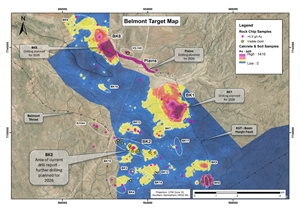
Heat map of gold-in-soil and gold-in-calcrete across the Belmont Prospect. The map also shows the layout of the various Targets within the Belmont Prospect, highlighting the targets earmarked for drilling in 2026.
Figure 3
Plan view showing the reported drill holes, BKR010 and BKR019 within the BK2 Target. The interpreted mineralized zone is highlighted in yellow. Reported drill intervals has a lower cut-off grade of 0.3 g/t Au and contain no more than 3m of internal waste.
Figure 4
Long section through the mineralized zone showing the down hole results of the reported holes, BKR010 and BKR019. The figure also shows the previously reported results of holes BKP036 (percussion) and BKDD003 (diamond).
Figure 5
Map showing the proposed mineral system scale AMT and Gravity survey area (blue polygon), with the K17 Central resistivity anomaly and major structures highlighted.
Figure 6
Conductivity map from the 2024 regional MT survey showing the K17 Central resistivity anomaly in relation to high-grade grab samples – highlighting the link between surface geochemistry and subsurface geophysical anomalies.
Legal Disclaimer:
EIN Presswire provides this news content "as is" without warranty of any kind. We do not accept any responsibility or liability for the accuracy, content, images, videos, licenses, completeness, legality, or reliability of the information contained in this article. If you have any complaints or copyright issues related to this article, kindly contact the author above.
